The Mystery of the Sakkara Serapeum (Apis Bull Sanctuary) in the Context of the Modern Era (Part 1)
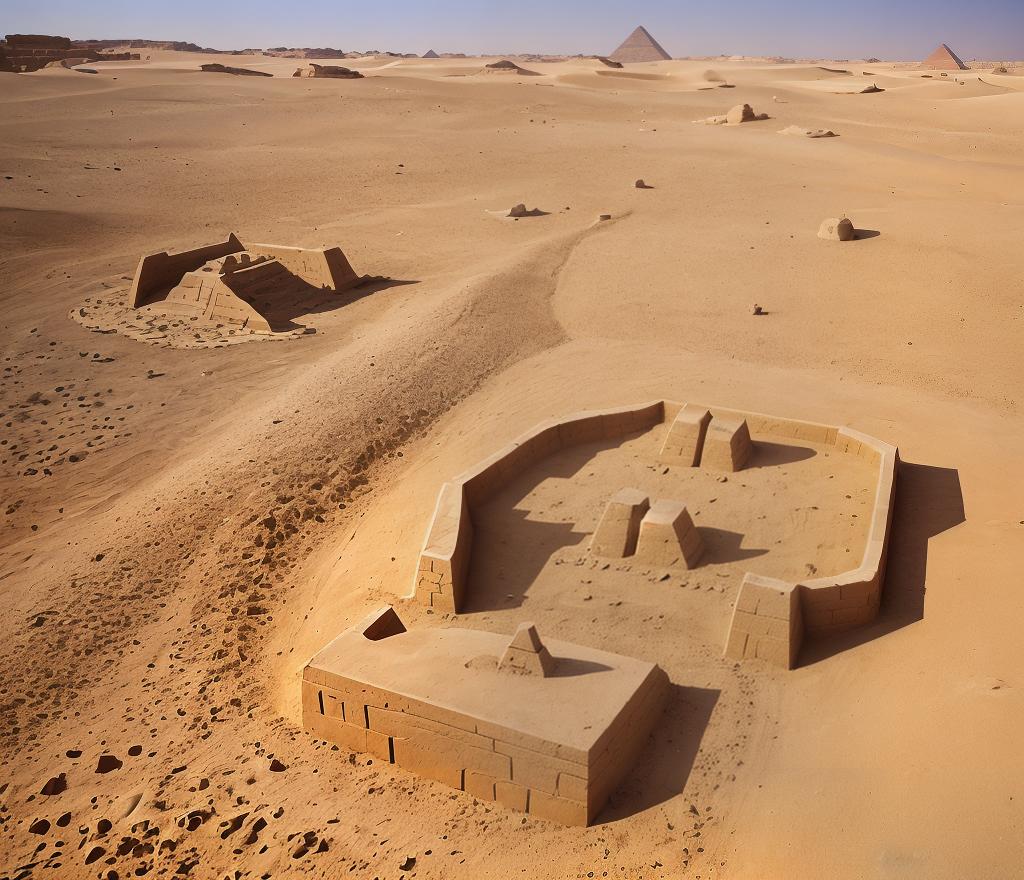
The Mystery of the Sakkara Serapeum (Apis Bull Sanctuary) in the Context of the Modern Era (Part 1)
In our blog post “Paris – France – Decline,” we examined the influence of the Semitic bull idol Moloch—Paris—who abducted the most beautiful woman of his time, Helen—or rather, Europa!. The European context is of interest because the negative energy of Paris has taken the nations of Europe hostage through a central Moloch.
According to myth, Paris was killed by the centaur Chiron after being bitten by Poseidon.
However—unfortunately—those who call themselves “the elite” have kept the destructive power of the bull—of Paris—alive throughout human eons and energized it through ongoing rituals.
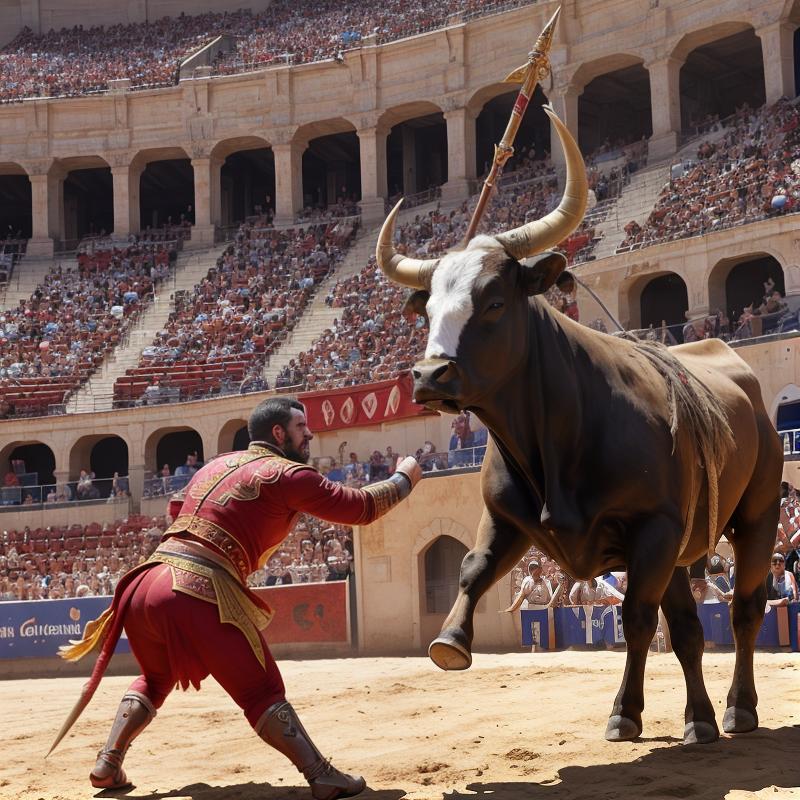
The fact that the battle against the bull must be waged is also reflected in the eternal struggle between man and bull (the mythical bullfight).
The power of the bull—Moloch—is not concentrated solely in Paris (France). Its symbol, dedicated to (animalistic) strength, endurance, and determination, is visible wherever the human-Moloch-like instrument of world control—money—is being multiplied or destroyed, namely in front of the stock exchanges in New York (USA), Frankfurt am Main (Germany), Shanghai (PRC), and Amsterdam (Netherlands).
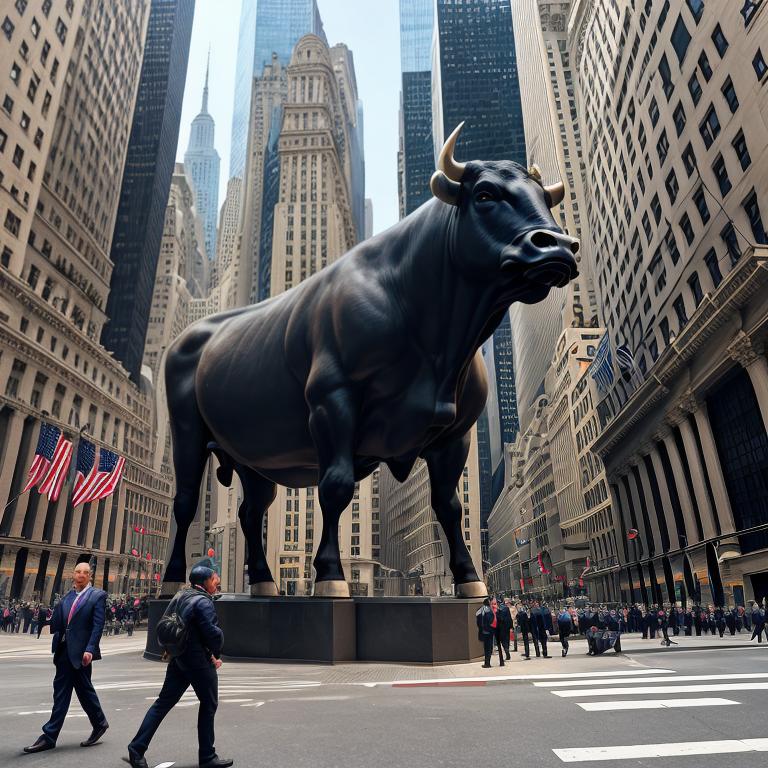
The power of Taurus—of Moloch—is not concentrated solely in Paris (France)…
Paris (Taurus) is located in front of the stock exchanges in New York (USA), Frankfurt am Main (Germany), Shanghai (PRC), and Amsterdam (Netherlands).
In searching for the origin of the massive surge of Taurus energy in modern times, we can pinpoint the year 1850. Why?
In 1850, the French Egyptologist Auguste Mariette-Pacha (1821–1881) was exploring the area around Memphis based on the written accounts of the Greek historian Strabo, and came across a sphinx head protruding from the desert, which, according to Strabo’s records, pointed to the (Apis) bull sanctuary in Saqqara. Mariette had the area around the sphinx head excavated. In the process, the excavators came across an avenue of sphinxes, at the end of which a portal led deep into the desert sand.
Beneath meters of sand, Mariette found the entrance to the Apis mausoleum, which turned out to be, among other things, the burial site of the bulls revered as sacred by the Egyptians; for in the corridors of the entrance area, Mariette discovered several rather simply designed wooden coffins containing Apis mummies. Today, one of the Apis mummies found is on display at the Egyptian Museum in Cairo. Others are located in England, France, and the Vatican. How many genuine Apis mummies were found and where they ended up remains one of Auguste Mariette’s secrets.
Bullfighting
The fact that the battle must be waged against the bull is also reflected in the eternal struggle between man and bull (the mythical bullfight).
Encouraged by his discoveries, Mariette continued to explore the passages carved into the fields that stretched out before him and stumbled upon a mystery of the Apis tomb that remains unsolved to this day: Behind 24 bricked-up niches, Mariette found 24 granite boxes with lids, each weighing up to 100 metric tons Each measured approximately 4 meters deep and three meters high. To get an idea of the weight: Mariette’s team attempted to lift the lid of one of the still-sealed boxes by hand, but failed; consequently, an explosive charge was used, which blew off only one edge of the lid, allowing a glimpse inside the box. He could have spared himself this effort, for this still-sealed box—like the other 23—was empty, containing no mummy, no gold, and no silver. Mariette suspected tomb robbers, but how could these thieves—who usually operated in small groups—have removed a lid weighing several metric tons when Mariette, surrounded by a sizeable number of excavators, couldn’t manage it with his men!?
Let us now turn away from Auguste Mariette, driven by gold fever (who conducted his research on behalf of France and the Vatican), for apart from commemorative plaques honoring the bulls buried in simple coffins—which were found placed near the wooden coffins or mounted on walls—no treasures of material value were discovered.
End of Part 1